Baja California Sur · Sea of Cortez · State Capital
La Paz
2.5 hrs north on Hwy 1
From Cabo
Capital · Baja California Sur
Status
Whale sharks, sea lions, diving
Best for
Sea of Cortez
Sea
The City
Turquoise coves, whale sharks, and the unhurried soul of Old Baja on the Sea of Cortez.
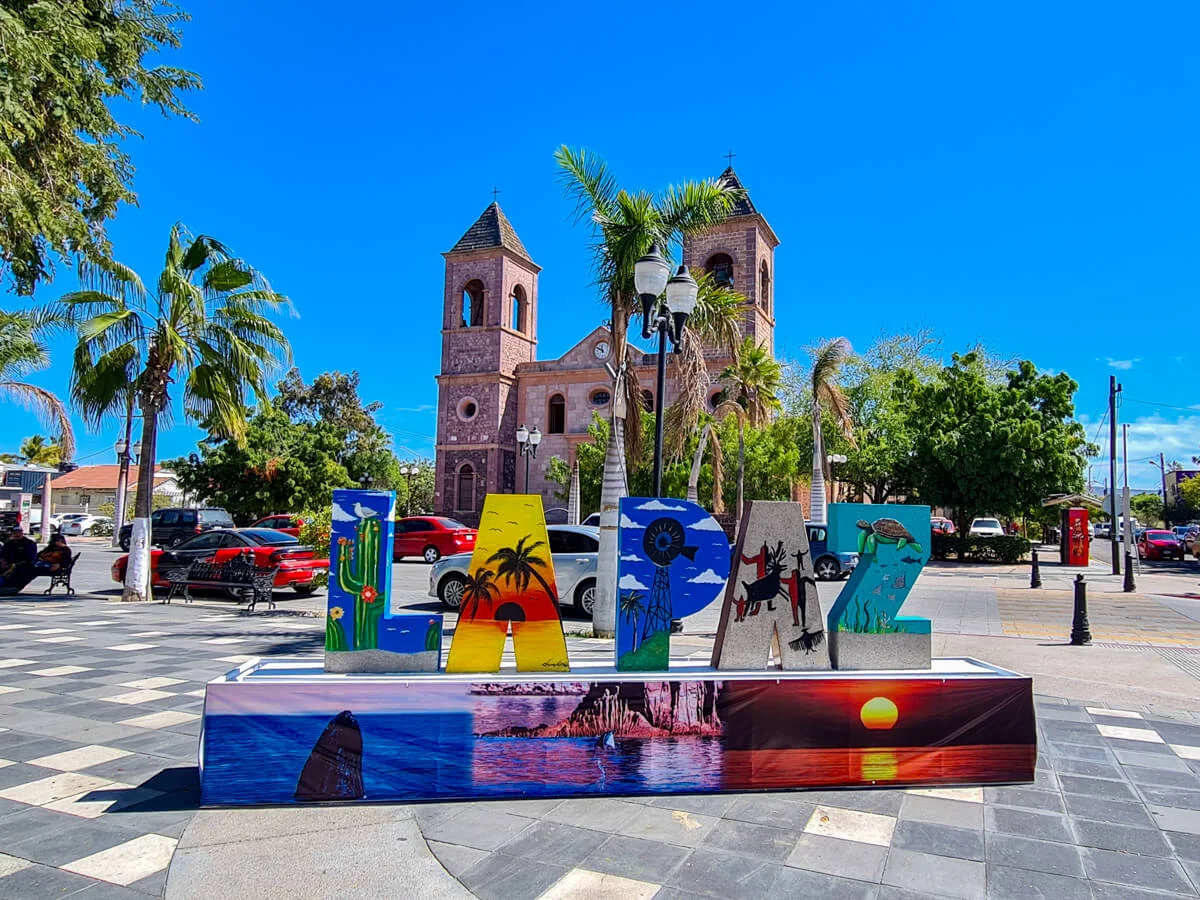
La Paz is the capital of Baja California Sur and the city Jacques Cousteau had in mind when he called the Sea of Cortez the world's aquarium. Two and a half hours north of Cabo on Highway 1, it operates at a completely different pace — a malecón city of date palms and seafood restaurants where the main daily event is the sunset over the bay, and where the marine wildlife accessible from the harbor includes whale sharks, manta rays, hammerhead sharks, and one of the most interactive sea lion colonies in Mexico.
From October through April, whale sharks congregate in La Paz Bay in extraordinary numbers — the largest fish on earth, circling close enough that snorkel tours reach the feeding grounds in under thirty minutes from the malecón. A short boat ride away, Espíritu Santo island is a UNESCO World Heritage Site of turquoise coves, reef systems, and overnight camping under a sky completely free of light pollution. El Bajo seamount, two hours offshore, is one of the legendary dive sites of the Pacific. La Paz is the counterpoint to Cabo — older, quieter, and in every sense more Baja.
Why Visit La Paz, Baja California Sur?
La Paz is Baja California Sur's capital — a real Mexican city, 2.5 hours north of Cabo, with whale shark tours, sea lion snorkeling at Espíritu Santo, and a Malecón waterfront boulevard that attracts more locals than tourists. It's Baja's best counterpoint to the Cabo resort strip.
The Coastline
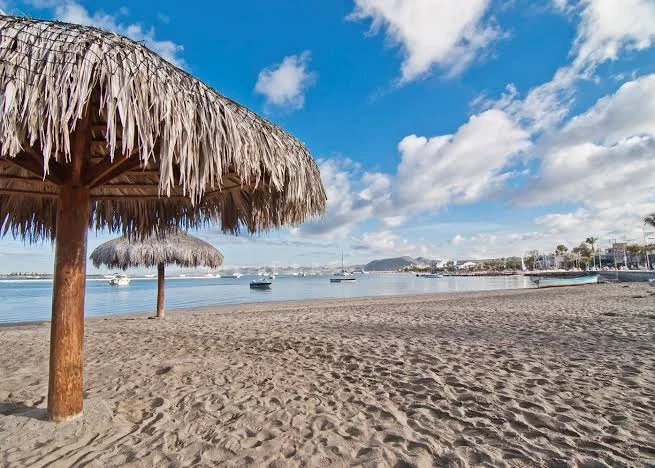
La Paz beaches — crystal-clear desert-meets-sea coastlines unlike anywhere in Cabo
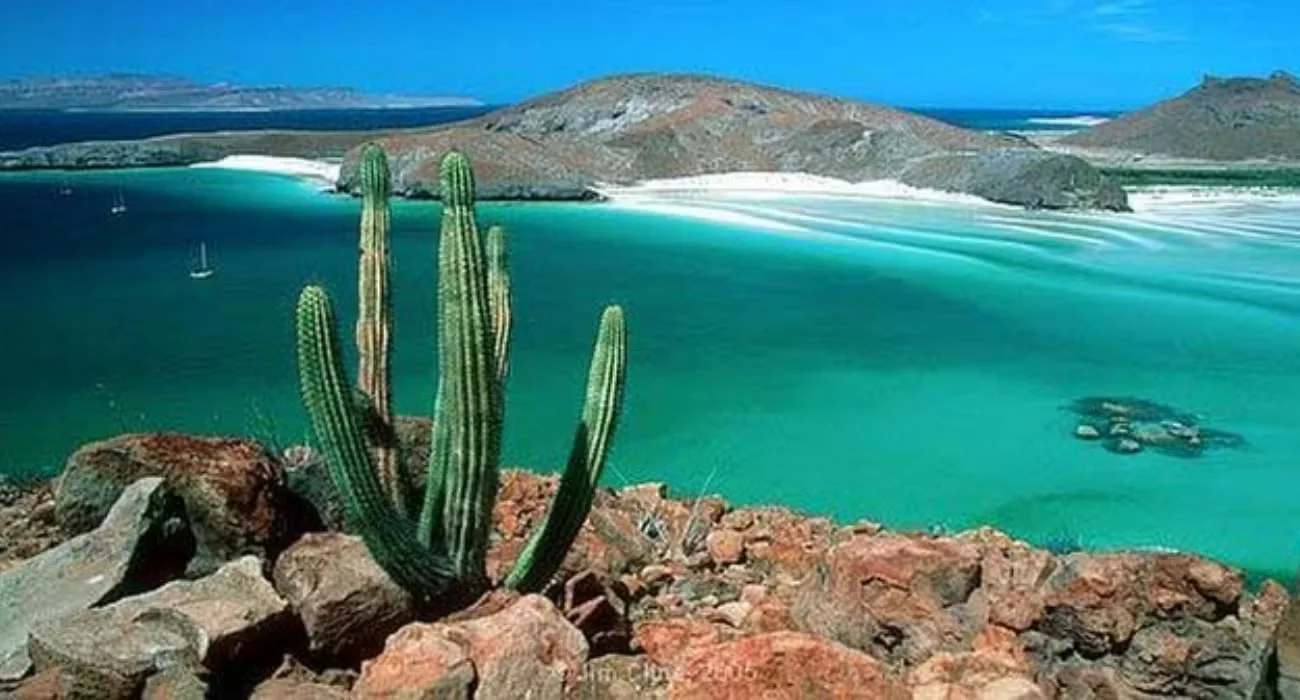
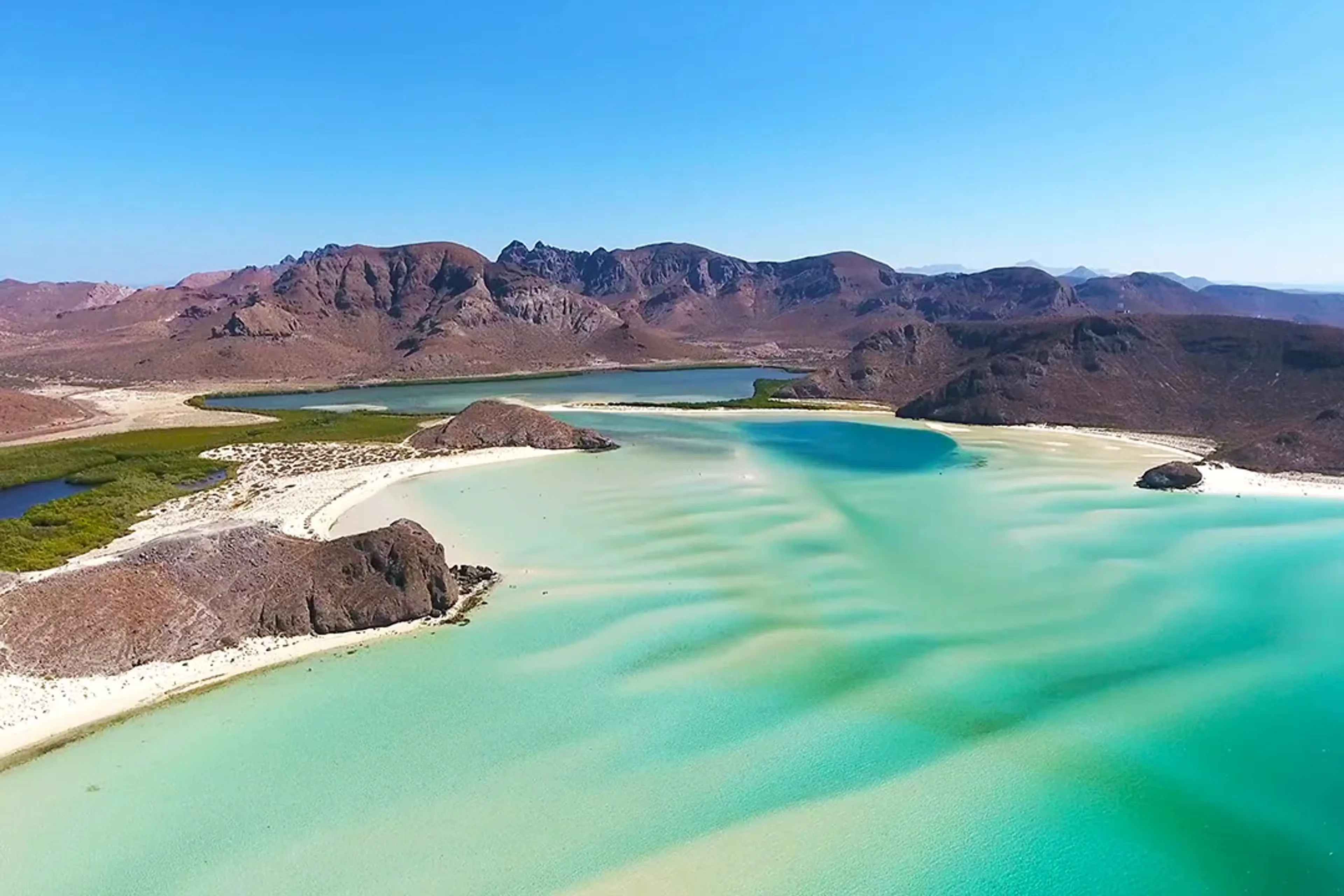
Where the Sonoran Desert meets the Sea of Cortez you get something extraordinary: shallow turquoise water so calm it reads as a giant natural swimming pool, ringed by red-rock cliffs and white sand. These are La Paz's defining beaches.
Protected & Iconic
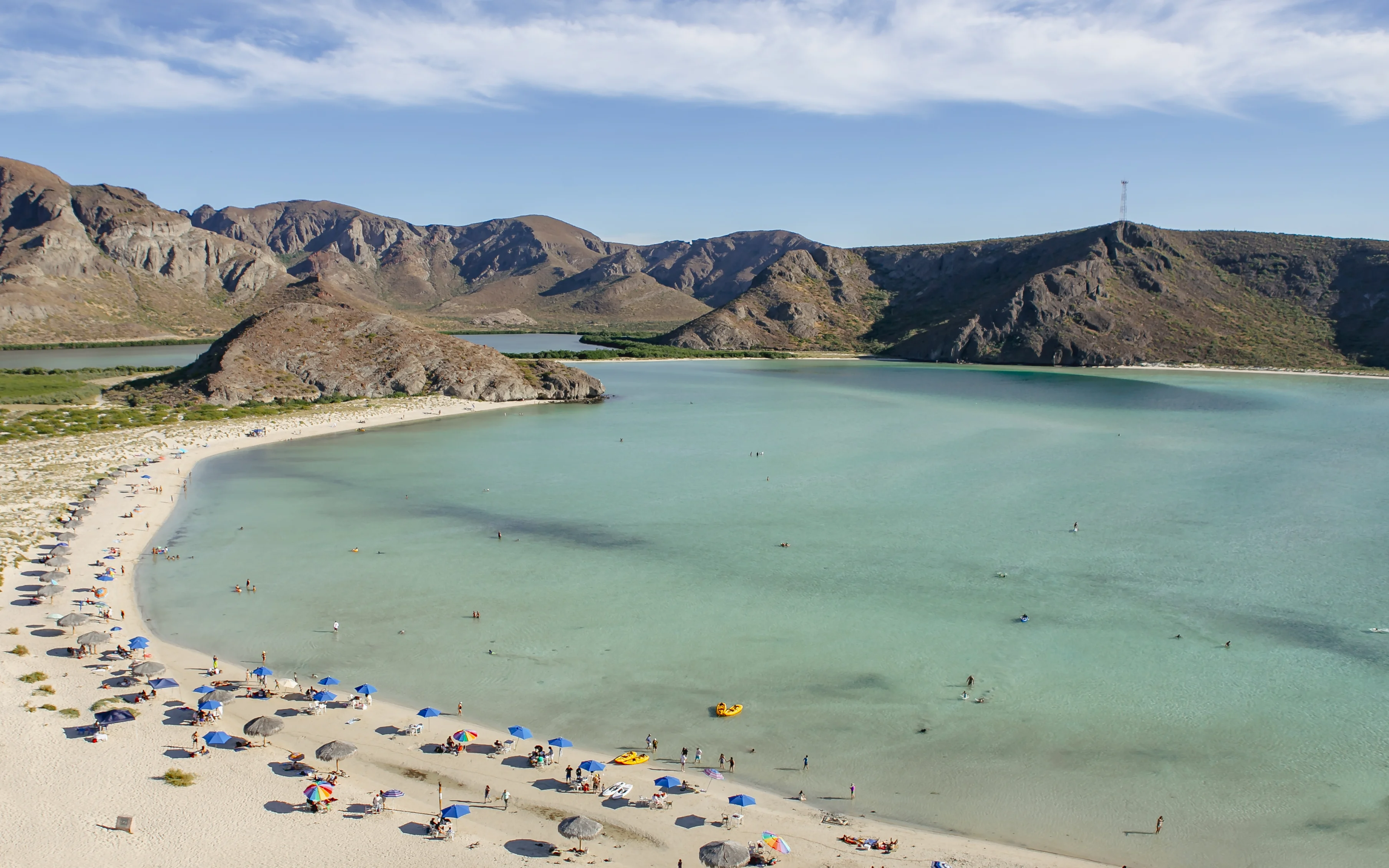
Playa Balandra
Famous for its iconic mushroom rock and incredibly shallow, knee-deep turquoise waters that stretch to the horizon. Entry operates on strict daily time slots to protect its pristine ecosystem — book in advance.
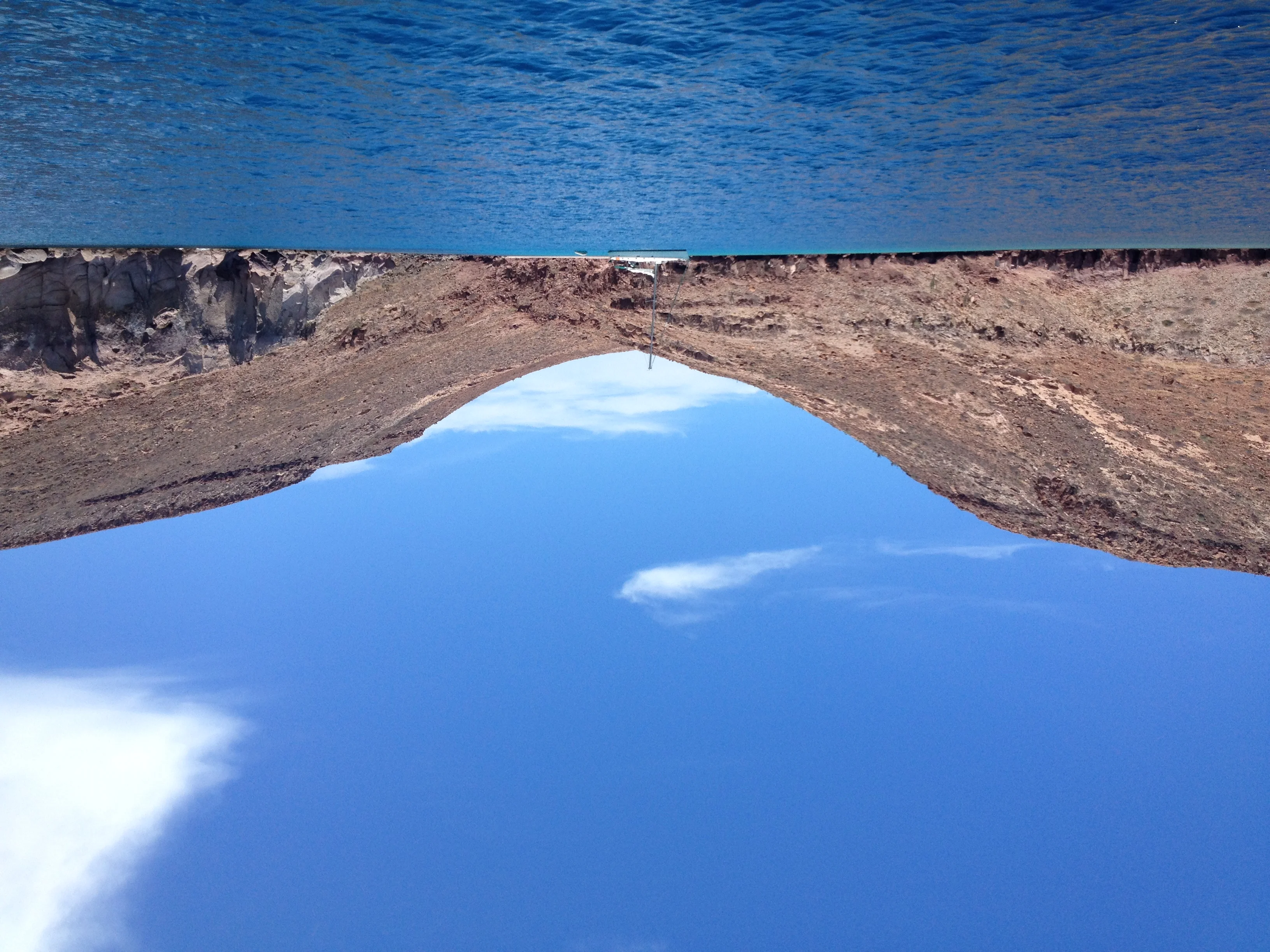
Ensenada Grande
A remote, world-class beach on Isla Espíritu Santo accessible only by boat. Dramatic red-rock cliffs frame crystal-clear water in a setting that consistently ranks among Mexico's most spectacular coastlines.
Amenity-Rich & Lively
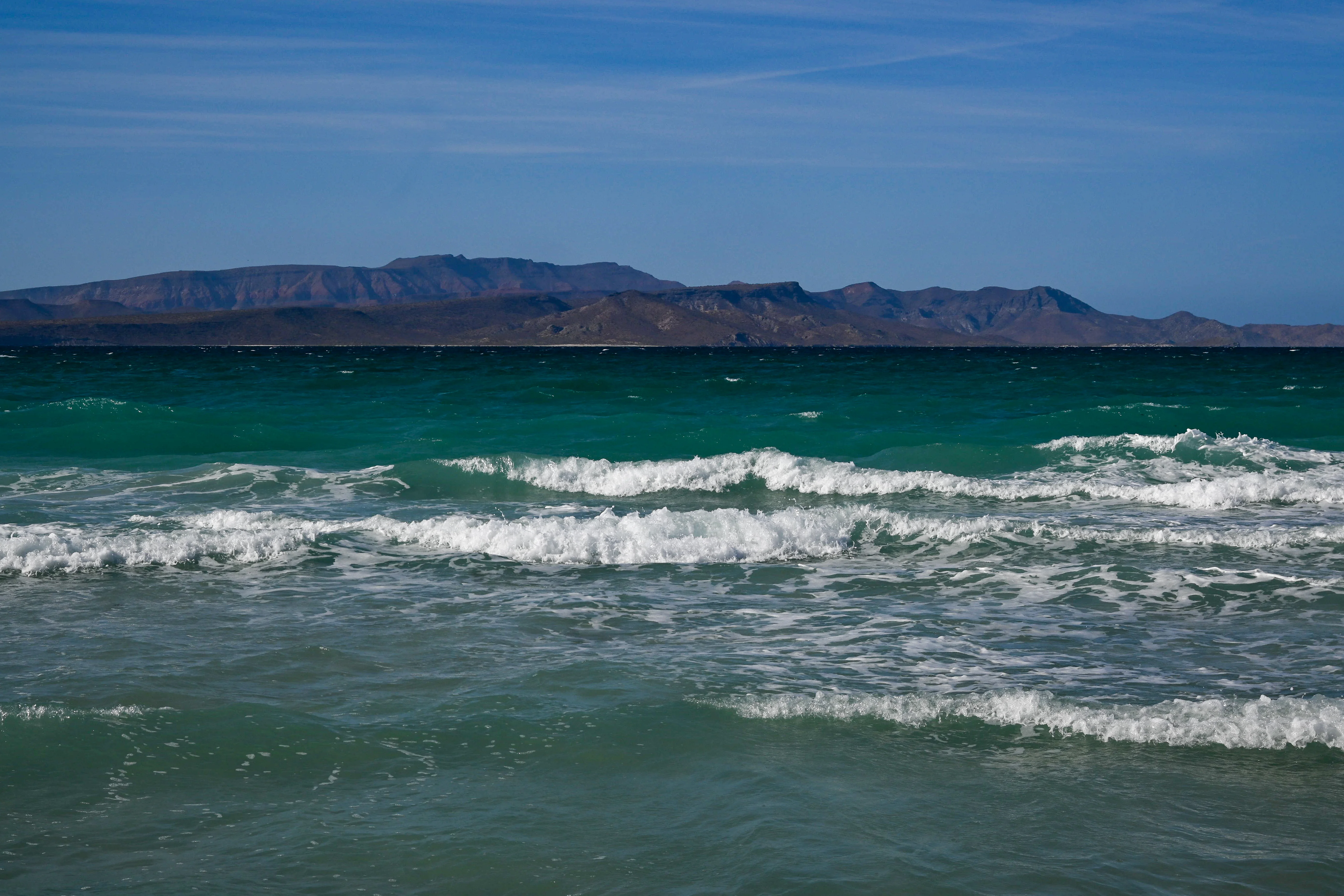
Playa El Tecolote
A long, breezy stretch of sand just past Balandra, with lively beachfront seafood restaurants, water sports rentals, and clear views across to Espíritu Santo island. The locals' favorite for a full beach day.
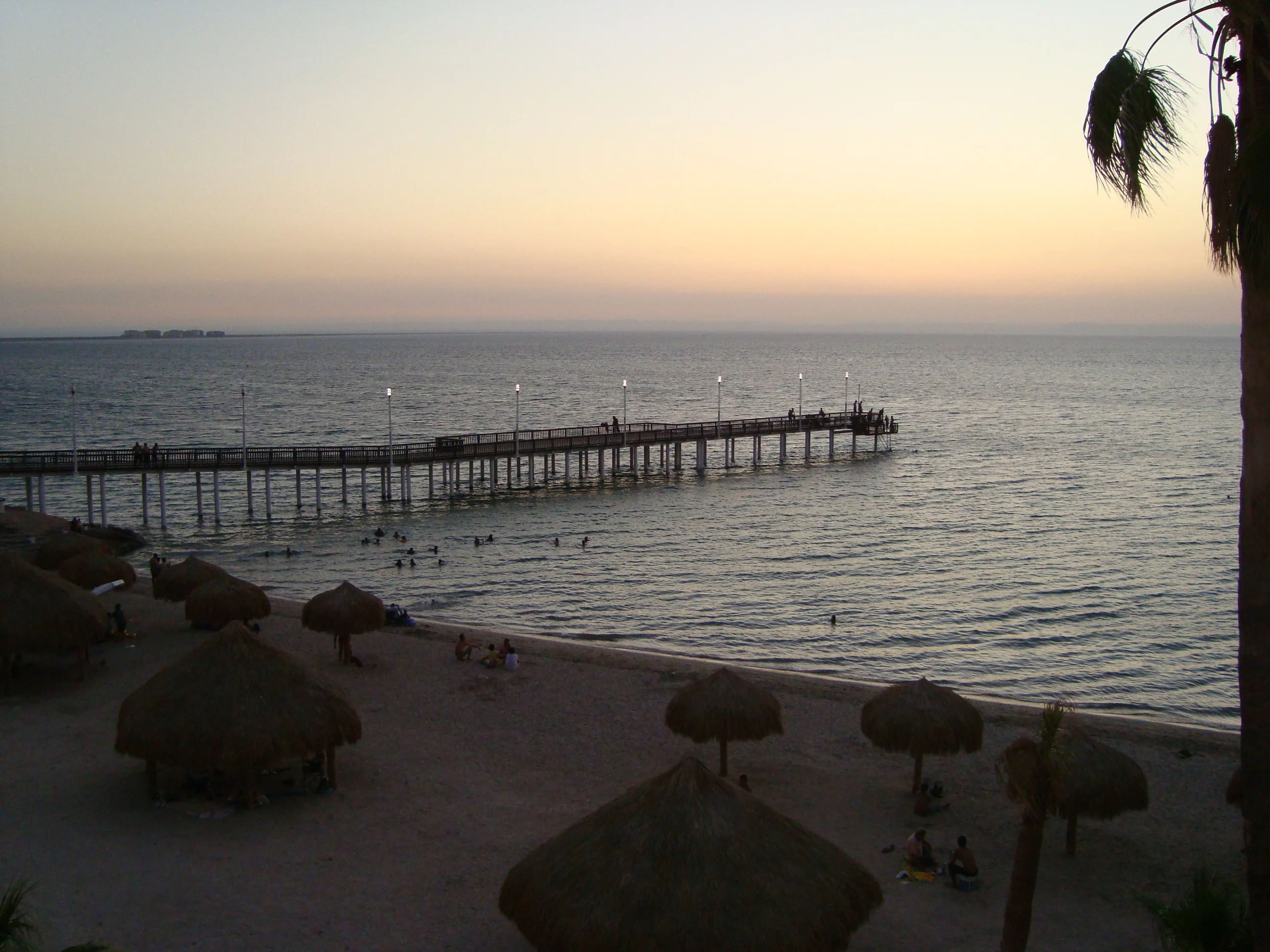
Playa El Coromuel
The closest major beach to downtown La Paz — easily walkable or a short taxi from the malecón. Features a long pier, shaded palapas, public restrooms, and casual local restaurants. Ideal for a low-effort beach afternoon.
Quiet & Family-Friendly
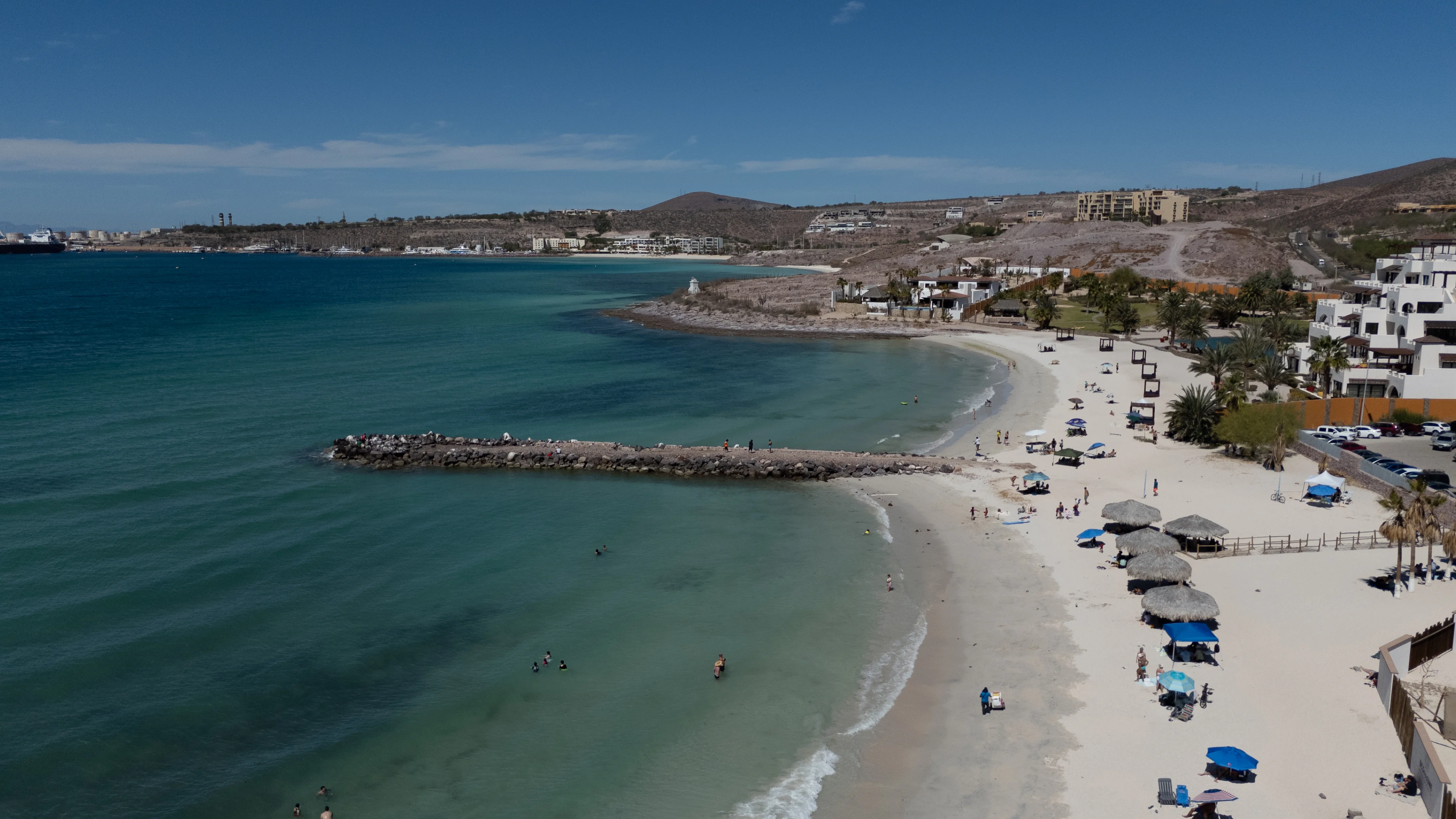
Playa El Caimancito
A serene cove along the scenic coastal highway — exceptionally soft sand, calm water, and a quiet atmosphere perfect for a relaxed swim away from the crowds. Rarely busy even in high season.
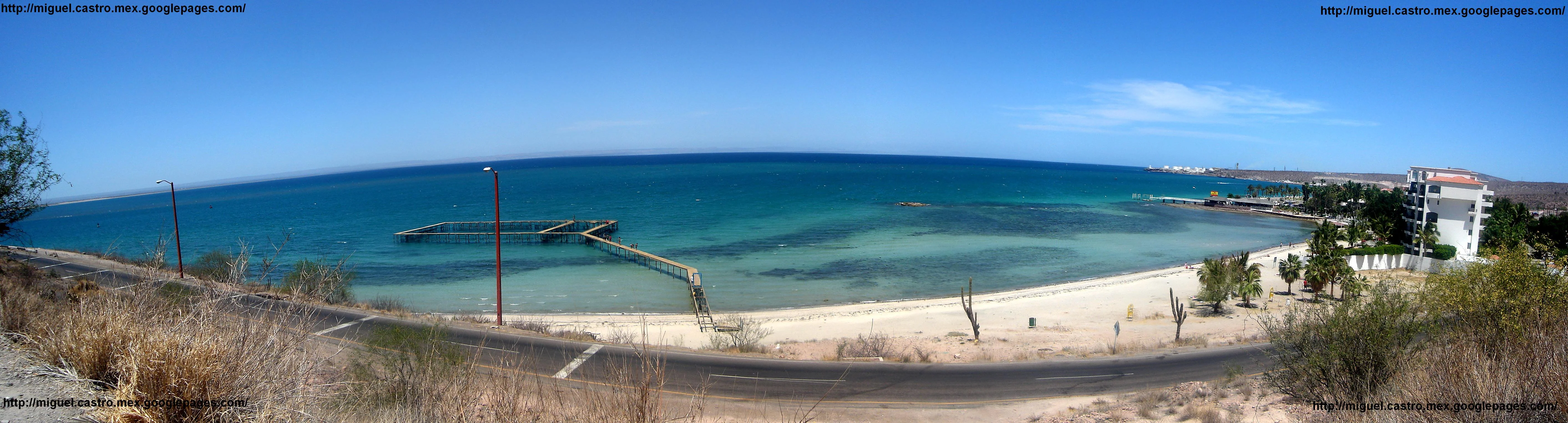
Playa La Concha
A small, beautiful cove shared with a local resort — gentle, swimmable waves and easy access make it the most family-friendly option near the city. The water here stays remarkably calm year-round.
What to Do
What is La Paz, Baja California Sur known for?
La Paz is known for Playa Balandra — one of the most photographed beaches in all of Mexico — and for whale shark encounters in the Sea of Cortez. Jacques Cousteau called these waters “the world's aquarium.” The city itself is a relaxed, walkable colonial capital with a three-mile Malecón waterfront.
Swimming with Whale Sharks — La Paz Bay
From October through April, whale sharks congregate in La Paz Bay in numbers found almost nowhere else on earth. These are the largest fish in the ocean — up to 40 feet long — and in La Paz they surface close enough to touch, though regulations prohibit contact. Guided snorkel tours depart from the malecón and reach the feeding grounds in under 30 minutes. It is one of the most extraordinary wildlife encounters available anywhere in the world.
Los Islotes — Baja's Most Playful Sea Lion Colony
Los Islotes, a rocky outcrop at the northern tip of Espíritu Santo island, hosts one of the most interactive sea lion colonies in Mexico. Young sea lions approach snorkelers with curiosity that reads as genuine playfulness — spinning, diving alongside you, making eye contact at close range. Boat tours from La Paz reach Los Islotes in about 90 minutes and typically combine the sea lion visit with snorkeling at the island's reef systems.
UNESCO Biosphere Reserve — Kayak, Dive, and Camp
Espíritu Santo island, 30 minutes by panga from La Paz, is a UNESCO World Heritage Site and one of the most biodiverse marine environments in the Sea of Cortez. Kayakers paddle its protected coves, divers explore reef systems teeming with manta rays and hammerheads, and overnight camping on the island's white-sand beaches — under a sky completely free of light pollution — is among the most memorable experiences Baja has to offer.
Baja's Most Beautiful Waterfront Promenade
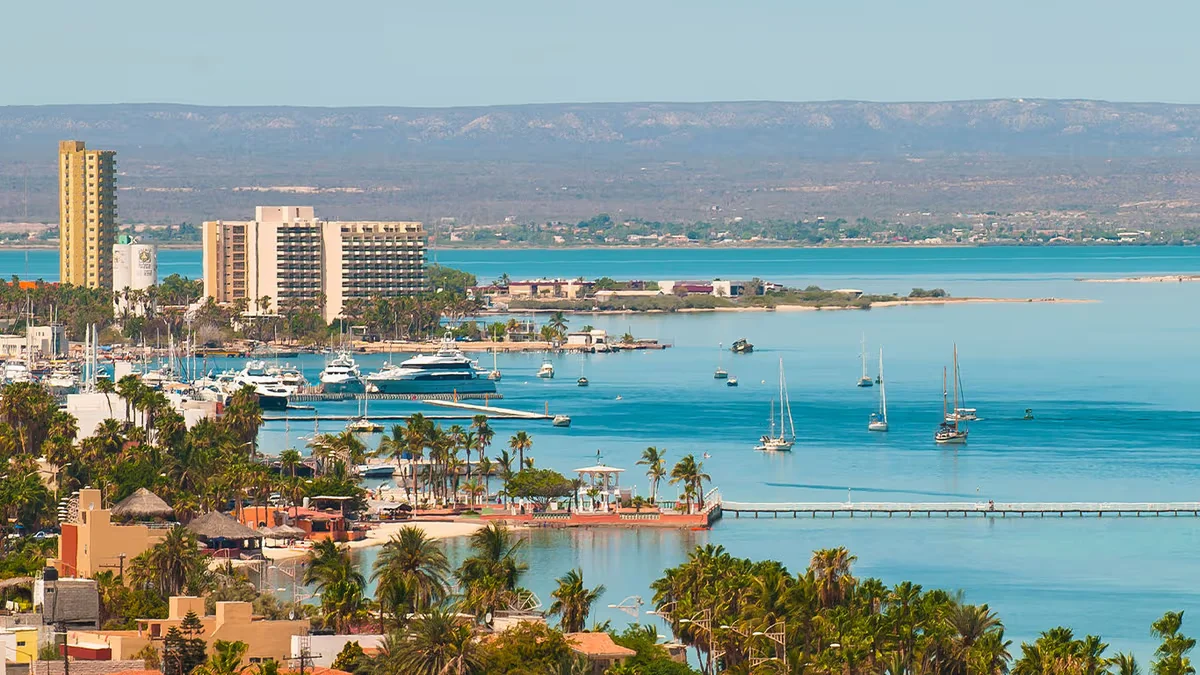
La Paz's five-kilometer malecón follows the curve of the bay, lined with date palms, public art, seafood restaurants, and the kind of unhurried foot traffic that defines the city's pace. Locals stroll it at sunset, children ride bikes along its length, and the light over the Sea of Cortez at golden hour turns the water shades of turquoise that seem improbable from photographs. The malecón is the social center of the city and the clearest expression of what makes La Paz different from every other city on the peninsula.
El Bajo Seamount — Hammerheads and Manta Rays
El Bajo seamount, a two-hour boat ride from La Paz, is one of the legendary dive sites of the Pacific — a submerged mountain where schooling hammerhead sharks, giant manta rays, and whale sharks converge in numbers that make every other dive look thin. The site requires experience and good conditions, but dive operators in La Paz run regular trips during the season (June through November) and the experience is unmatched anywhere in Baja.
Three Ways to Reach La Paz from Cabo
La Paz is 230 kilometers north of Cabo San Lucas on Highway 1 — a two-and-a-half-hour drive through dramatic desert landscape past the Sierra de la Laguna mountains. Alternatively, Manuel Márquez de León International Airport (LAP) receives direct flights from several Mexican cities. A third option is the ferry from Mazatlán or Topolobampo, which arrives directly at La Paz's terminal — a scenic crossing that avoids the highway entirely.
Photo Gallery
La Paz

Plan Your Visit
Discover La Paz
2.5 hours north of Cabo on Highway 1. Whale sharks October–April. Espíritu Santo year-round. El Bajo diving June–November.
Travel Writer Reviews
What the writers are saying
Reviews Coming Soon
Our travel writers are visiting and composing their reviews. Check back soon.
Start Planning
Your golden hour in Baja is waiting.
Get the full Best of Cabo travel guide — itineraries, insider picks, and the towns you shouldn't skip.